
Resources
To search for specific country components, type in “China,” “India,” “Vietnam,” or “Regional” below.
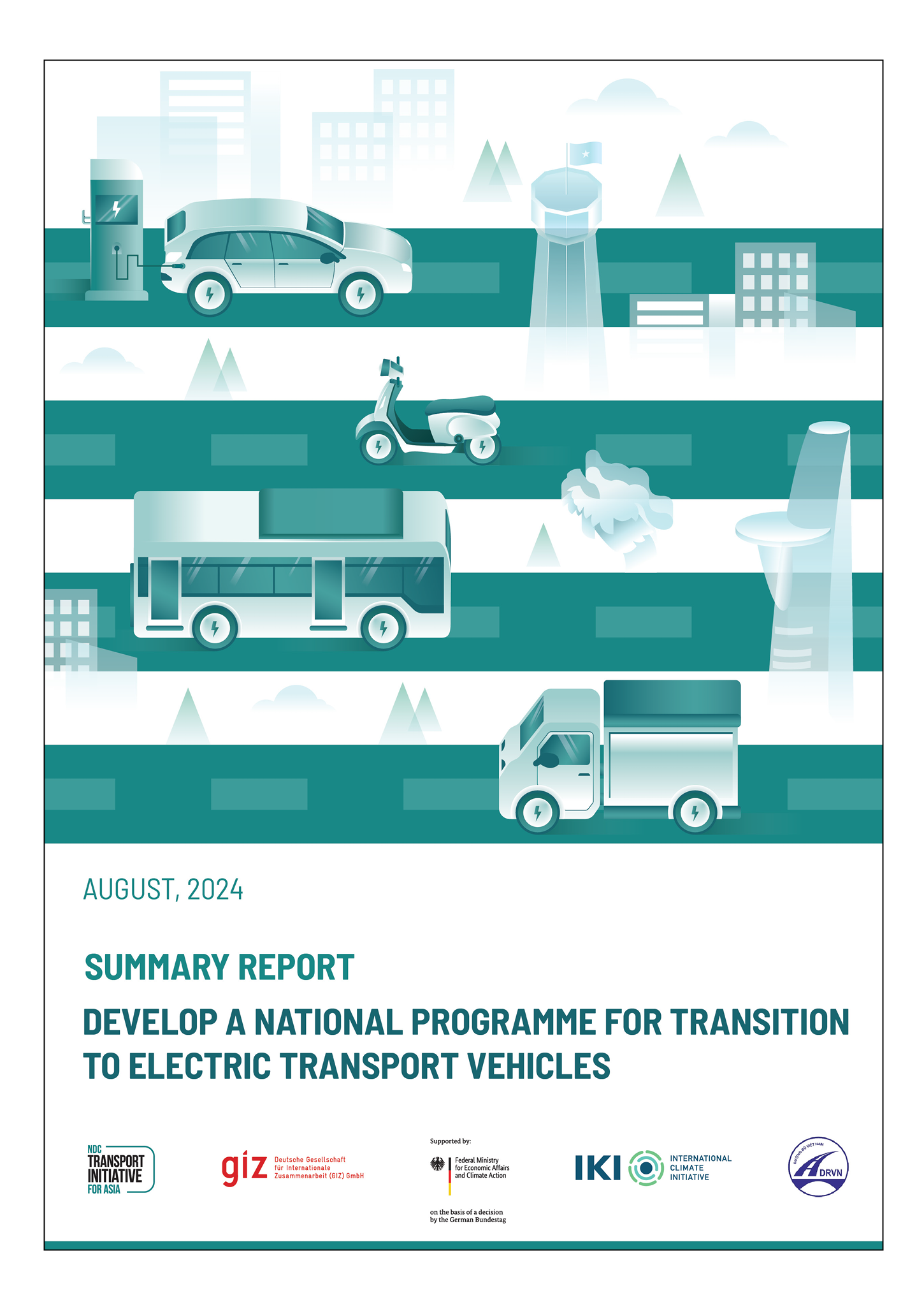
The summary report on "Developing a National Program for Transition to Electric Transport in Vietnam" outlines a strategic framework to shift the country’s transport sector towards electric vehicles (EVs).
This factsheet provides a comprehensive overview on Vietnam’s climate ambition in the transport sector.
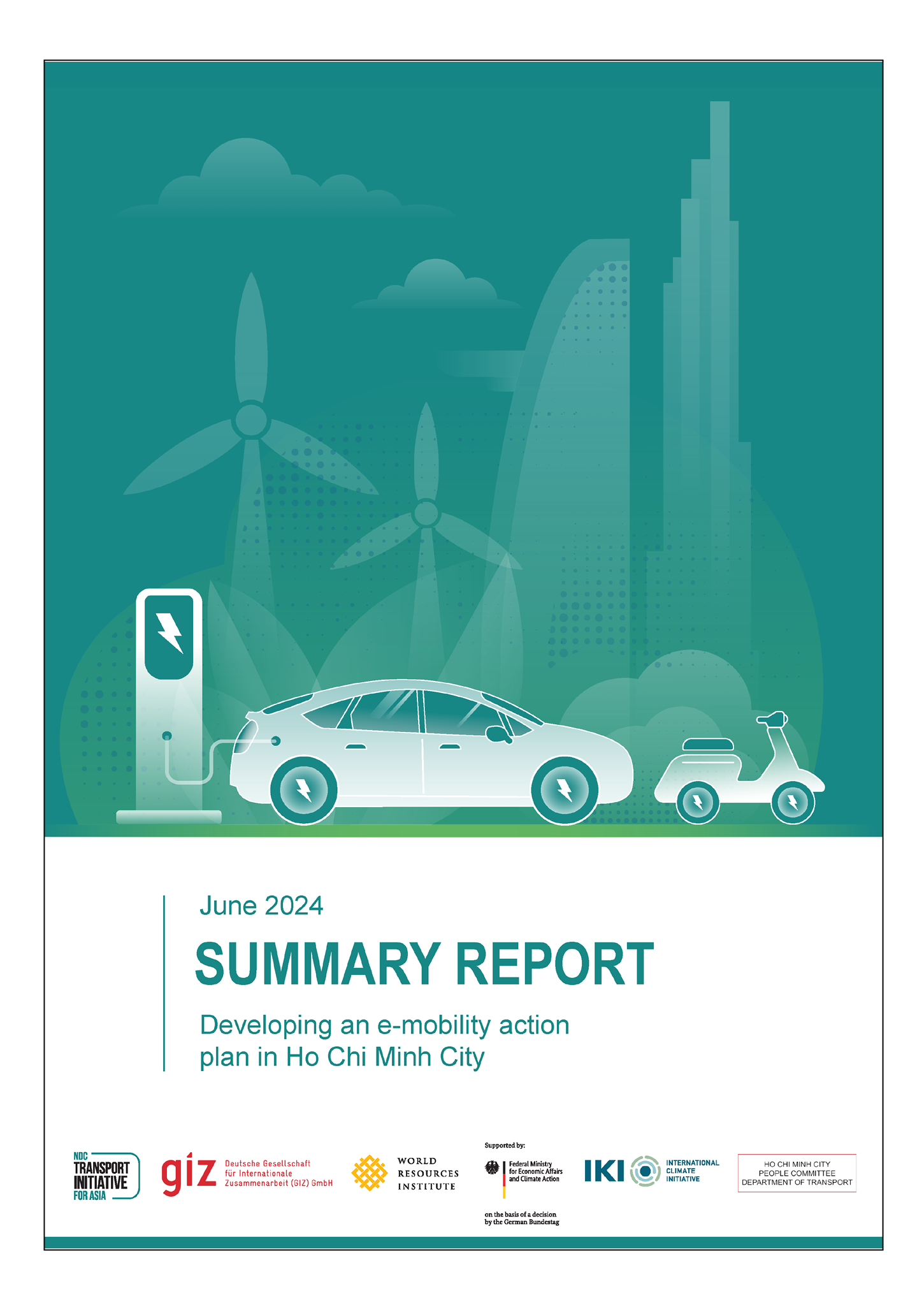
This publication summarizes the development of an E-mobility Action Plan tailored to the needs of Ho Chi Minh City, aiming to accelerate the rate of electrification in transport.
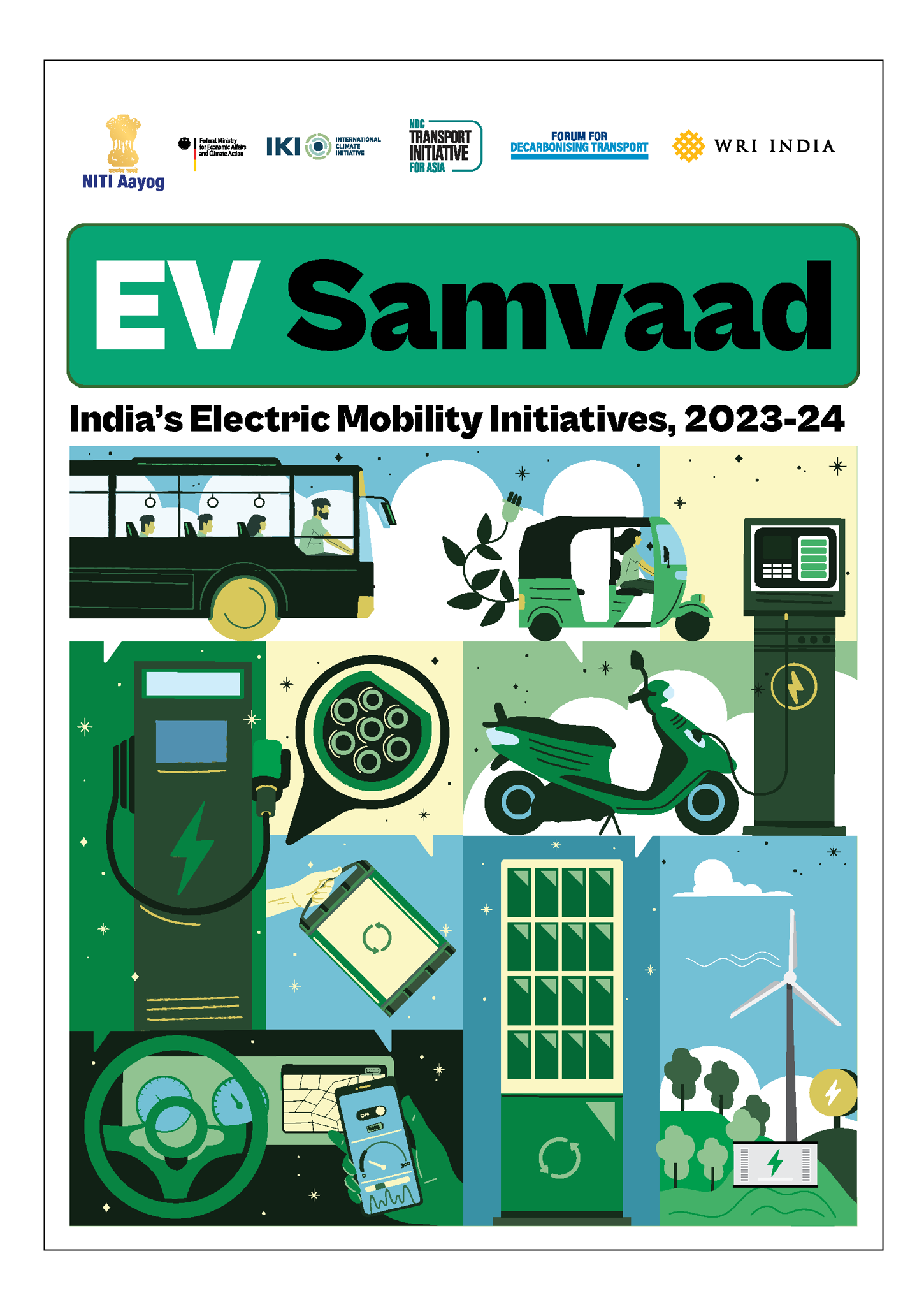
EV Samvaad is a compendium of electric mobility initiatives in India, covering the period from April 2023 to March 2024. It aims to monitor India’s electric vehicle (EV) landscape and decode policy interventions, implementation roadmaps, and industry-wide adoption plans.
This report assesses the potential of decarbonising heavy-duty trucks in India with zero-emission technologies, focusing on battery-electric technology. It presents a four-pillared roadmap for a transition to zero-emission trucks that addresses technology, infrastructure and operations, financing, and policy interventions for India.
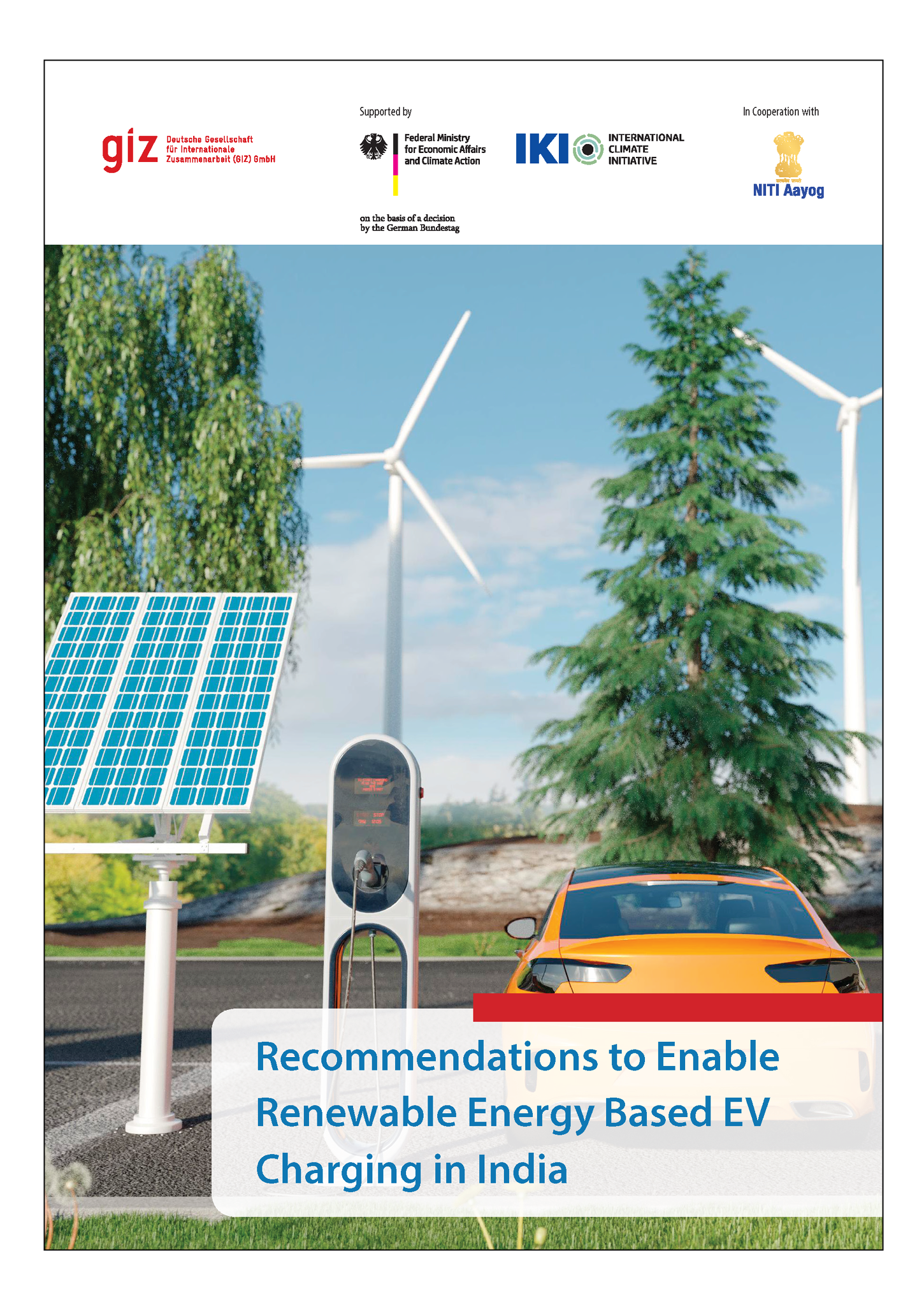
This report sets the context of renewables (RE)—based EV charging, its need in India, concerned stakeholders, modes of RE procurement, and locations for RE-based EV charging in different businesses.
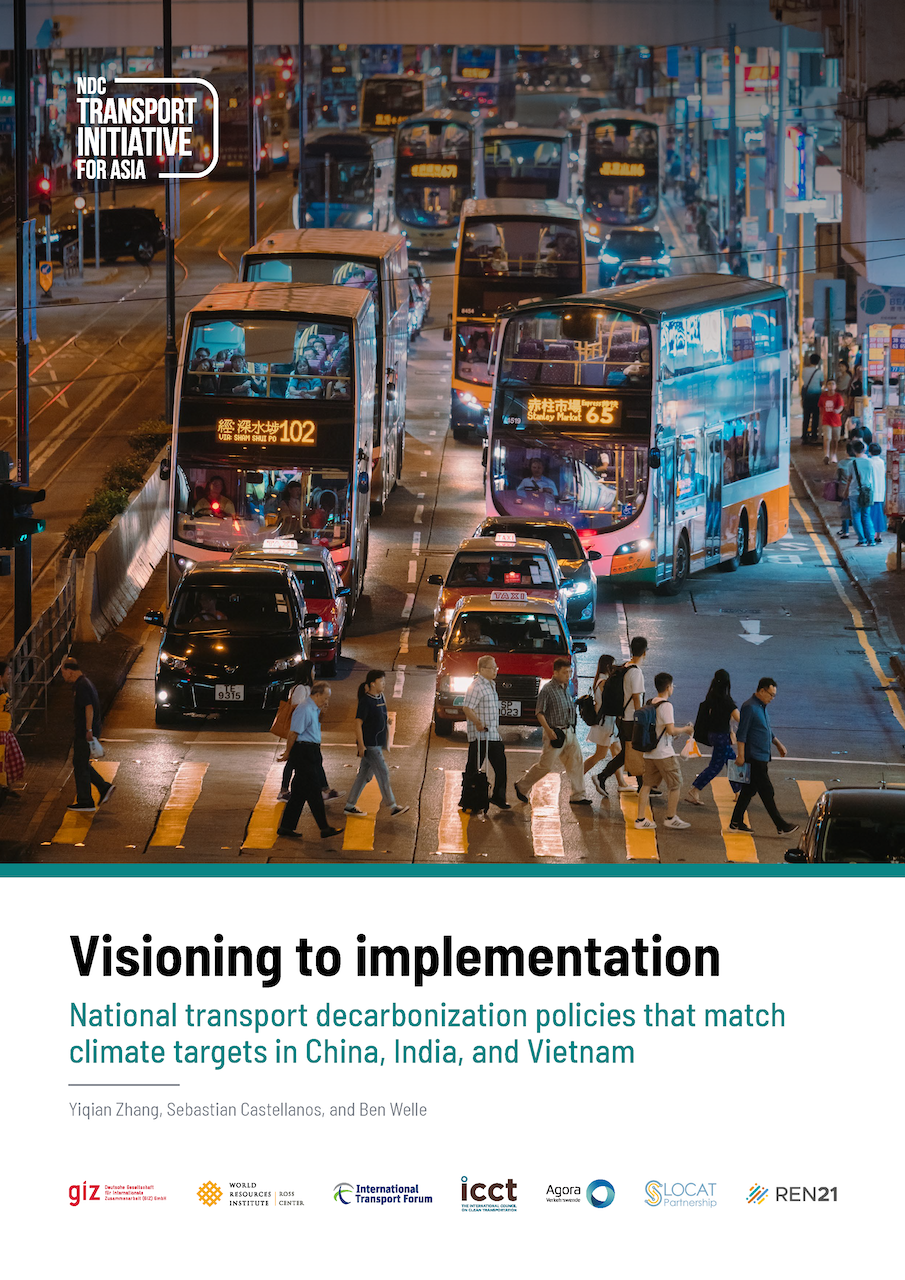
This new report assesses how China, India and Vietnam are translating their international climate ambition into national climate change-related transport strategies and policies.

This working paper examines the zero-emission truck (ZET) market in Guangdong by focusing on promotion policies and technical specifications of top-selling models, and then estimates the total cost of ownership of a real-world use case for zero-emission dump trucks in Guangzhou and Foshan.
A comprehensive survey has been executed among vehicle owners and public transport enterprises in Ho Chi Minh City. The survey is an insight brief to highlight consumer behaviour, unveiling the perspectives of vehicle owners and public transport enterprises concerning obstacles hindering the advancement of EVs in Ho Chi Minh City while also exploring potential driving forces within the market.
This paper explores the role which women and gender-specific mobility behaviour play in the decarbonisation of the transport sector in Asia, based on a comparative analysis of inclusive low-carbon transport, related challenges and gender-integrative solutions in China, India and Vietnam.
The report is the first comprehensive, India-specific analysis of urban passenger transport using a life-cycle perspective.
This research publication conducts a detailed comparative analysis to assess various environmental performance of EV’s and ICEV’s (petrol, diesel and CNG) in the 3-Wheeler and 4-Wheeler vehicle segment across its entire life cycle. The study has been analysed using India-specific conditions.
The report serves as a guiding document for the new entities in the battery recycling ecosystem, identifying various stakeholders and their corresponding roles and responsibilities. For these stakeholders, the report discusses permissions required for setting up battery recycling/refurbishing facilities, risks and corresponding mitigation measures, and standard operating procedures for safe handling of batteries.
This publication analyses the current state of decarbonisation and climate ambition in the transport sectors of G20 countries.
This policy brief focuses on the key policies implemented in Vietnam to reduce GHG emissions and achieve net-zero emissions in the transport sector, helping policymakers, project developers, and organizations design and implement effective strategies to address climate change in the transport sector.
This paper looks at successful e-mobility case studies and summarizes good practices of developing and implementing an e-mobility roadmap. Based on these observations, this paper offers recommendations for Vietnam’s upcoming electric mobility roadmap.

This study developed three scenarios to stimulate decarbonization in Guangdong province, including promoting zero-emission vehicles, shifting to low-emitting modes of transportation, improving vehicle fuel efficiency, avoiding travel, and decarbonizing power/hydrogen generation.
The publication reflects the recommendations shared by stakeholders for scaling up the adoption of electric buses in India. The panel discussions explored viable financing pathways for the procurement of e-buses in India.

This technical report aims to build up the Fuel Economy (FE) database and the baseline establishment for passenger cars under 9 seats with the most up-to-date information and data available, which would serve as the basis for further development of mandatory FE standards in Viet Nam.
The Microsoft-Excel-based tool ‘Financial Analysis of Charging station (FACt)’ has been developed to help build an understanding of the business case for rolling out public charging infrastructure for electric vehicles (EVs) in the Indian context. It is a flexible, transparent, and user-friendly solution to the problem of conducting a quick preliminary assessment of the financial justification for setting up a public charging station.
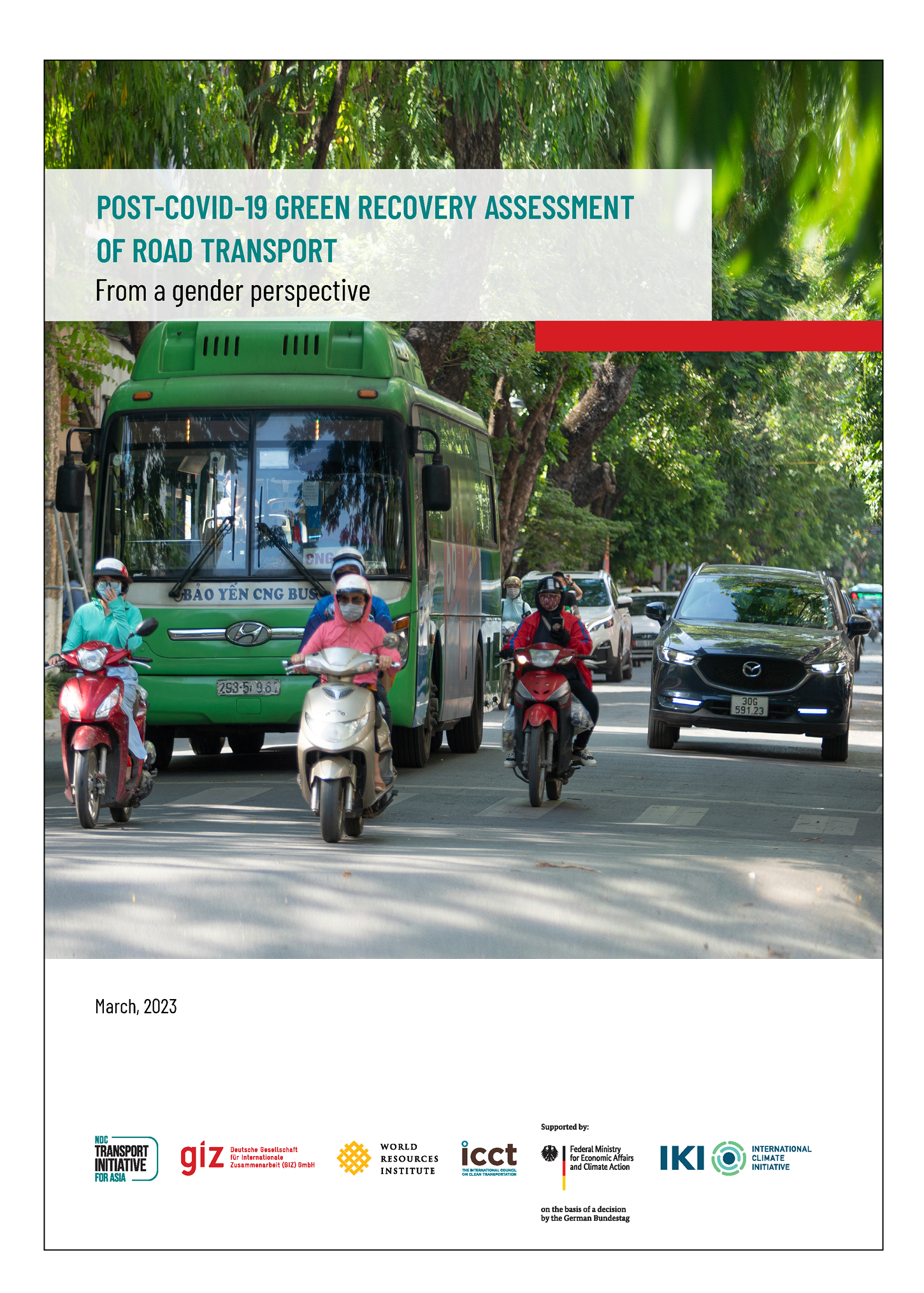
The thematic study explores gender perspectives in enterprises operating in road transport by assessing their resilience and the application of green and inclusive recovery measures post COVID-19 pandemic. The study also analyses measures, policies, and strategies toward the goal of net-zero emissions in the transport sector in Viet Nam.
The conference proceeding includes recommendations from subject experts on the Battery Waste Management Rules 2022 and possible solutions to streamline End of Life (EoL) battery management. It also highlights the safety concerns regarding lithium-ion batteries and battery data management.
This paper evaluates potential costs of implementing financial incentives for electric vehicles (EVs) and the benefits related to individual savings and GHG emissions reductions in Ho Chi Minh City.
This report supports future policies in China by analyzing air pollutant emissions, carbon dioxide (CO2) emissions, and key technologies driving reductions in emissions from passenger cars in the country from 2012 to 2021.
To help unify the transport emissions accounting methodologies for China’s national and subnational governments and improve statistical data collection for credible transport emissions reporting, this study reviews the accounting methods and statistical data used globally and in China through a literature review and stakeholder interviews.
This publication surveys the market for electric two-wheelers in Vietnam and examines the country’s potential to become a leader in the production of electric two-wheelers.
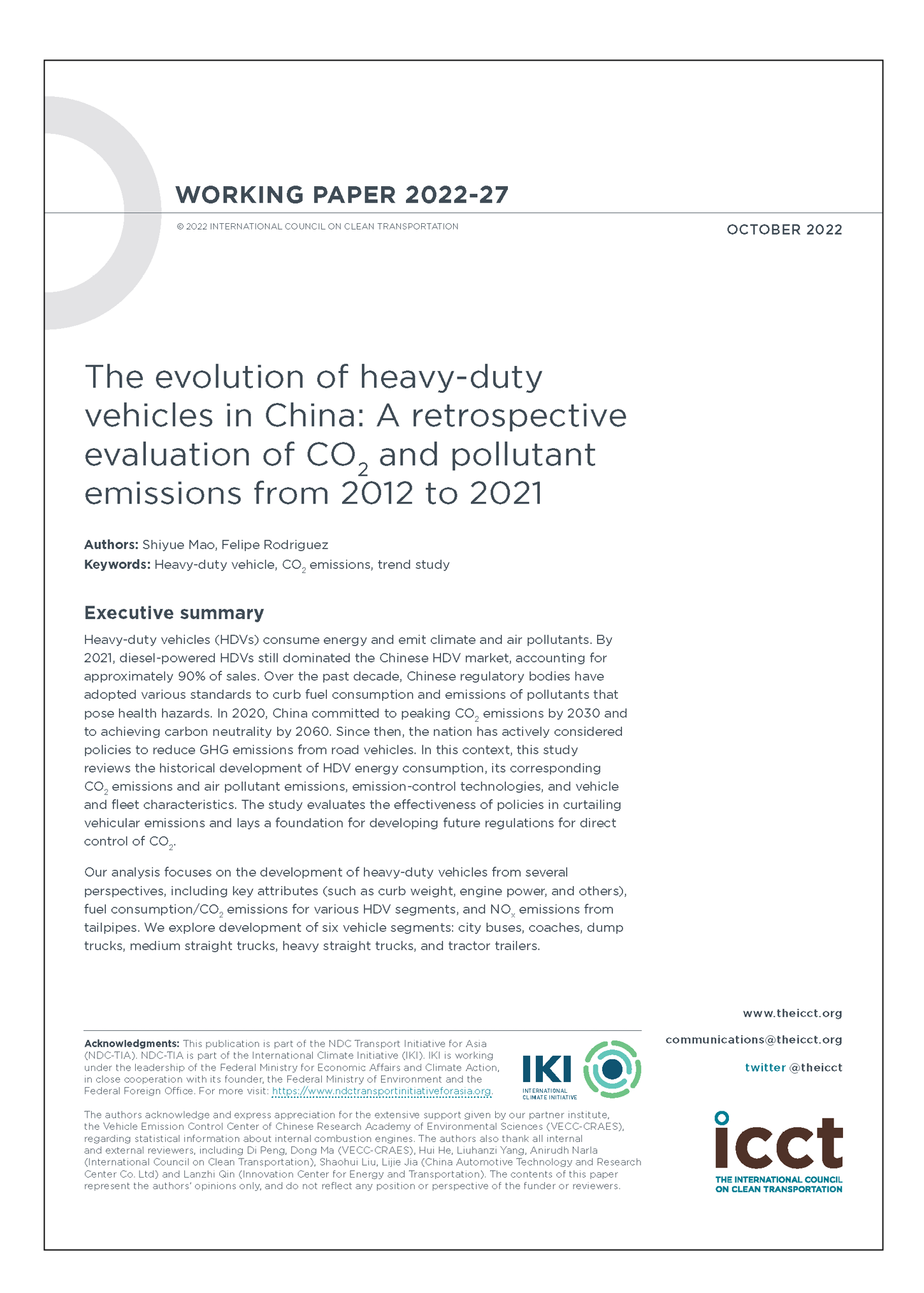
This paper evaluates the effectiveness of policies in curtailing emissions from heavy-duty vehicles in China over the 2012–2021 period and lays a foundation for developing future regulations for direct control of CO2.
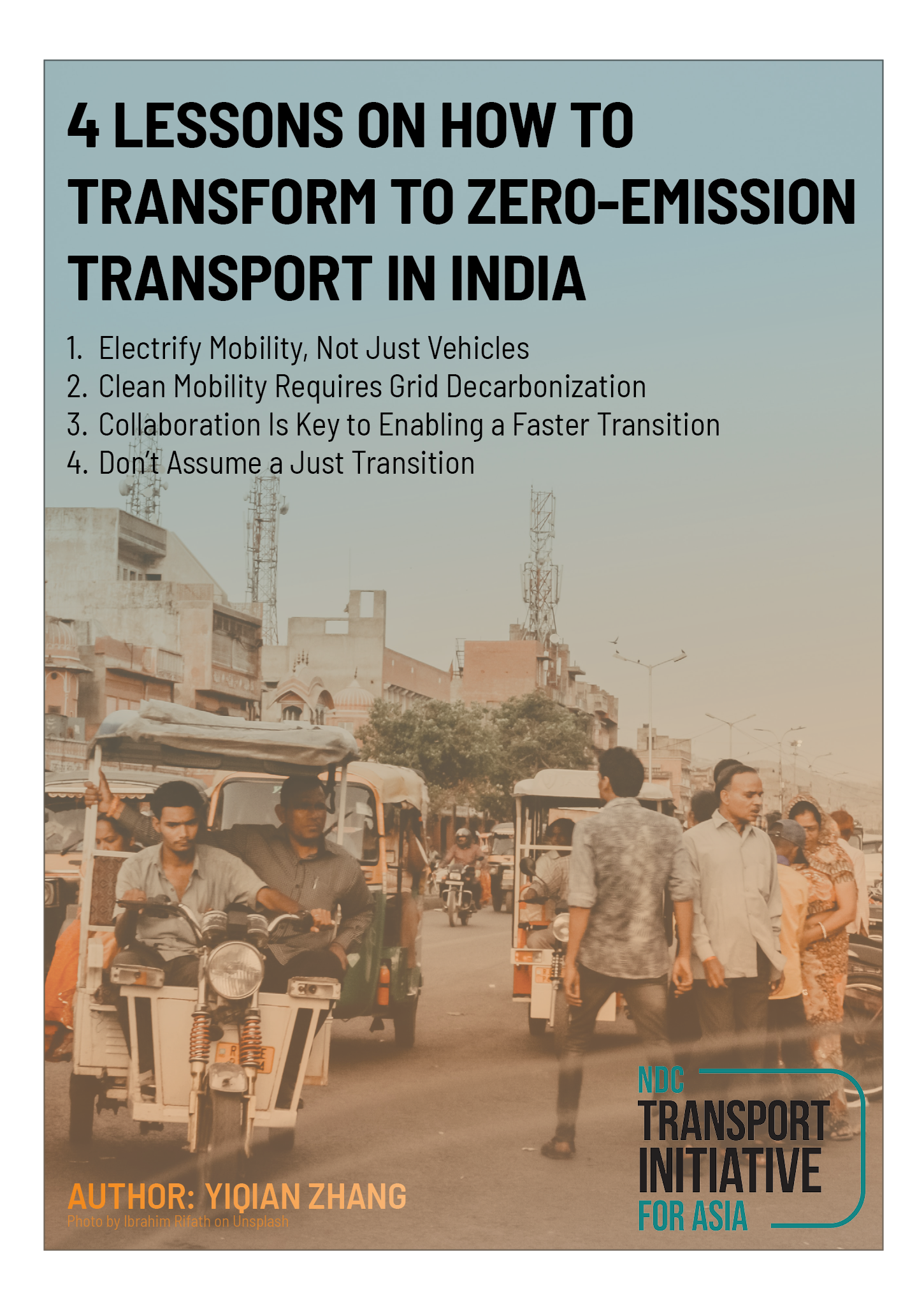
Based on interviews with NDC-TIA partners and other organizations working in India, this blog highlights the four lessons on accelerate the transition to zero-emission transport in India.
This paper provides an overview of the development of Battery swapping and Battery-as-a-Service (BaaS) in China. As a complement to conventional charging, battery swapping allows the change of battery packs within minutes, while Battery-as-a-Service (BaaS) is offering innovative business models linked to the energy sector.
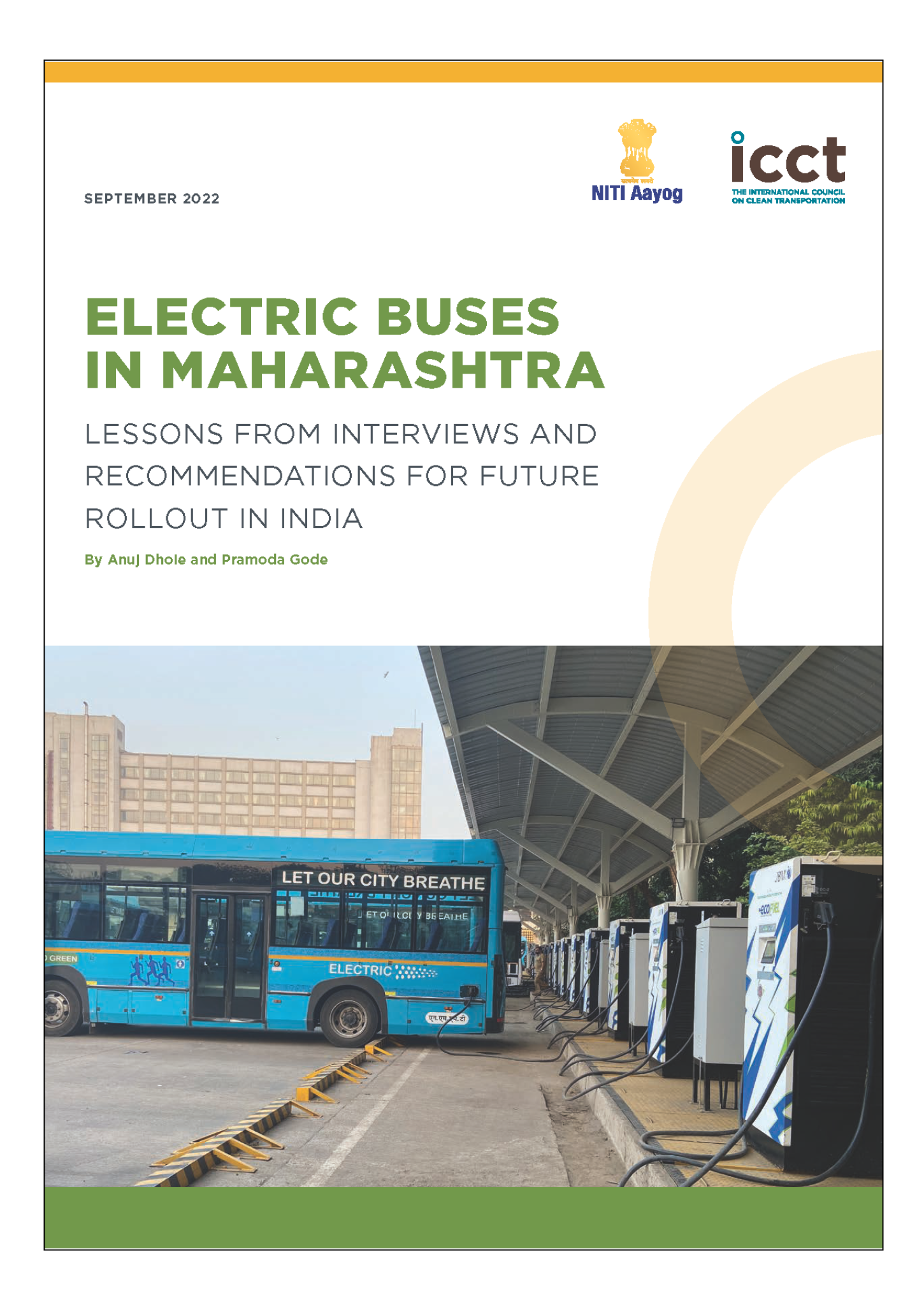
With information from interviews with 21 representatives from transit authorities and private bus operators, this report identifies key experiences and lessons from the electric bus rollouts in Mumbai, Pune, and Navi Mumbai and make specific recommendations based on international best practices.