
China
Accelerating the Scale-up of Zero-Emission Fleets
The transport sector is a major source of carbon emissions in China, with road freight accounting for a substantial share in transport-related carbon emissions.
Because most of freight activities are carried out by trucks, accelerating the transition to zero-emission trucks is critical to achieving China's climate goals.
While the deployment of zero-emission heavy-duty trucks is gaining momentum, further scale-up will require overcoming systematic barriers, including high upfront costs, vehicle performance constraints, inadequate charging infrastructure, and gaps in policy support.
Aligned with China's 2030/2060 goals, the project works with national and subnational partners to generate technical evidence and policy recommendations that accelerate the adoption of zero-emission trucks and strengthen enabling measures, including charging infrastructure and zero-emission freight zones and corridors.
Strategic Partners

Ministry of Ecology and Environment
Key Outputs
In China, the framework conditions for decarbonising transport are enhanced through strengthened requirements and feasible concepts for the deployment of zero-emission medium- and heavy-duty freight trucks.
Project Progress
In Phase 2, the China component of the NDC-TIA will focus on enhancing framework conditions for transport decarbonization through strengthened requirements, improved technical capacities, and feasible concepts for deploying zero-emission medium- and heavy-duty freight trucks.
Building upon Phase 1 successes, the project will directly support the Ministry of Ecology and Environment (MEE) and local stakeholders through the following work:
Technology Feasibility & Policy Outreach: The China Component will analyze real-world duty-cycle performance, model availability, costs, financing mechanisms, and charging infrastructure to help diesel-powered freight trucks reach cost parity and transition to zero-emission technology. Policy recommendations will be made to inform national policymakers.
Localized Implementation & Gender: Building on Phase 1 work in Guangdong Province, the project will provide research support for the establishment of near-zero-emission transport zones (or clean transport pilot zones) at the subnational level, and promote best practices nationwide to scale zero-emission truck adoption. Supplementary studies will incorporate social equity and gender-disaggregated impacts into zero-emission zone planning.
Research
NDC-TIA’s China component team provides technical research support to Chinese partners on the decarbonization of the freight transport.
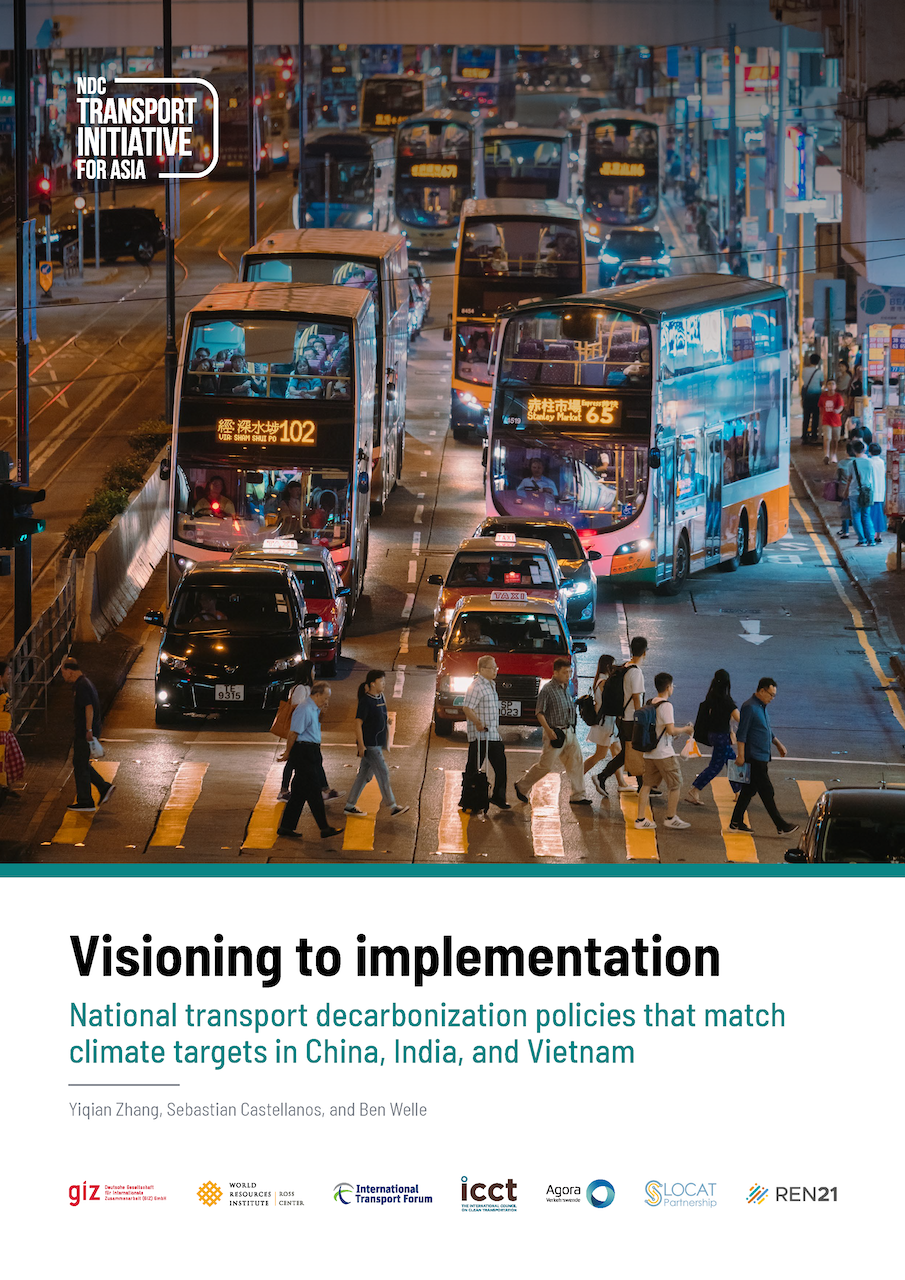
This new report assesses how China, India and Vietnam are translating their international climate ambition into national climate change-related transport strategies and policies.
This working paper examines the zero-emission truck (ZET) market in Guangdong by focusing on promotion policies and technical specifications of top-selling models, and then estimates the total cost of ownership of a real-world use case for zero-emission dump trucks in Guangzhou and Foshan.
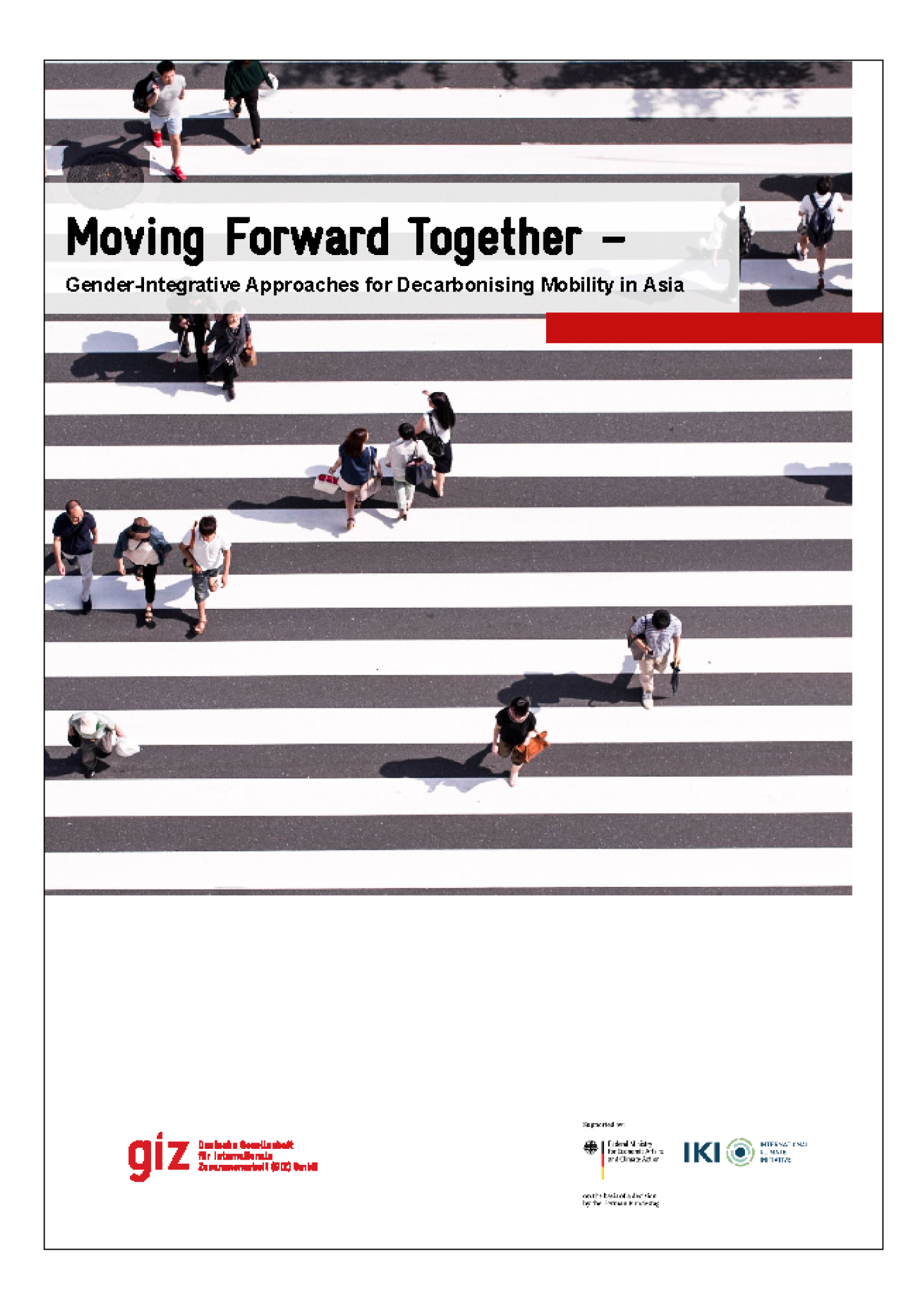
This paper explores the role which women and gender-specific mobility behaviour play in the decarbonisation of the transport sector in Asia, based on a comparative analysis of inclusive low-carbon transport, related challenges and gender-integrative solutions in China, India and Vietnam.
This study developed three scenarios to stimulate decarbonization in Guangdong province, including promoting zero-emission vehicles, shifting to low-emitting modes of transportation, improving vehicle fuel efficiency, avoiding travel, and decarbonizing power/hydrogen generation.
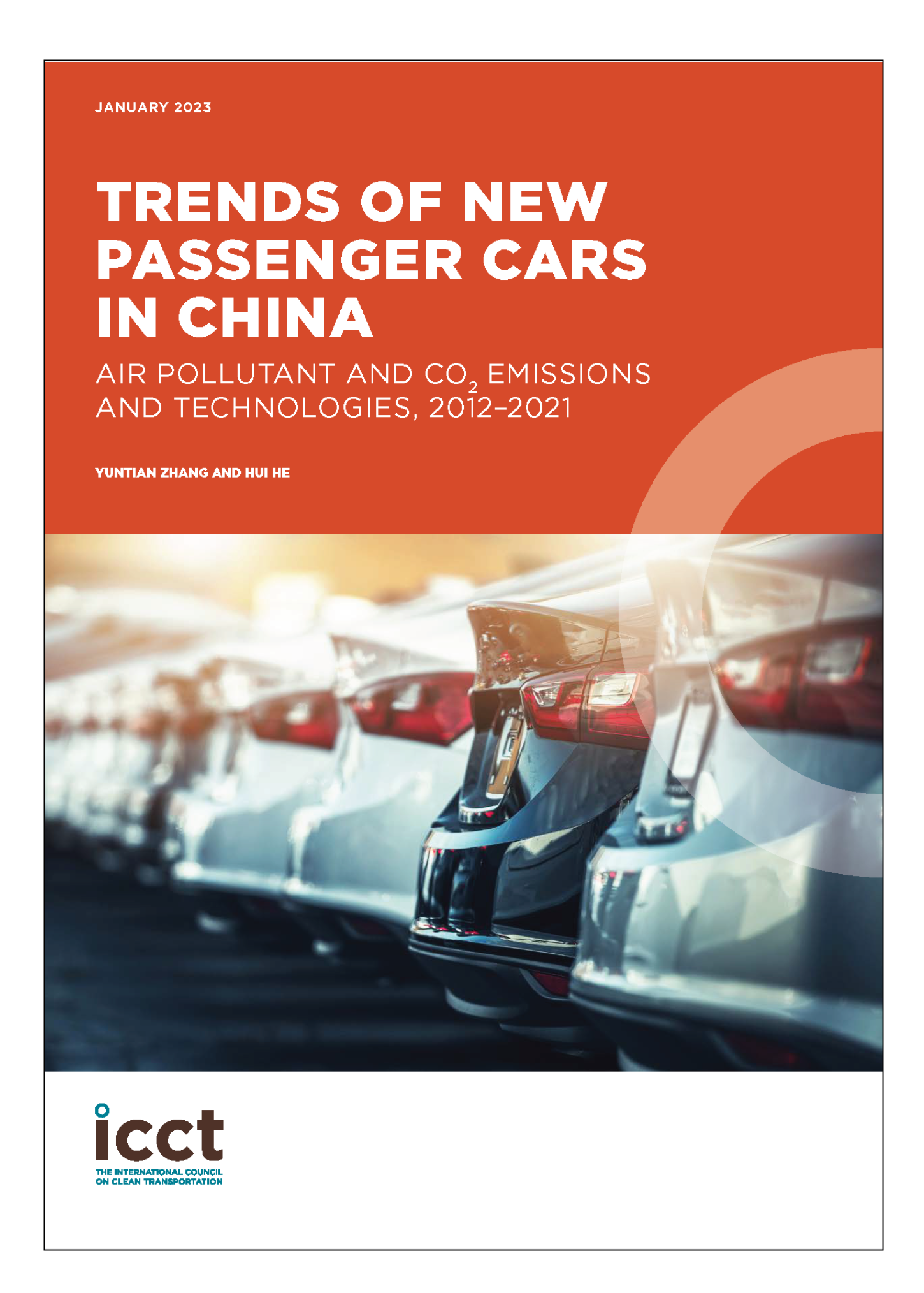
This report supports future policies in China by analyzing air pollutant emissions, carbon dioxide (CO2) emissions, and key technologies driving reductions in emissions from passenger cars in the country from 2012 to 2021.
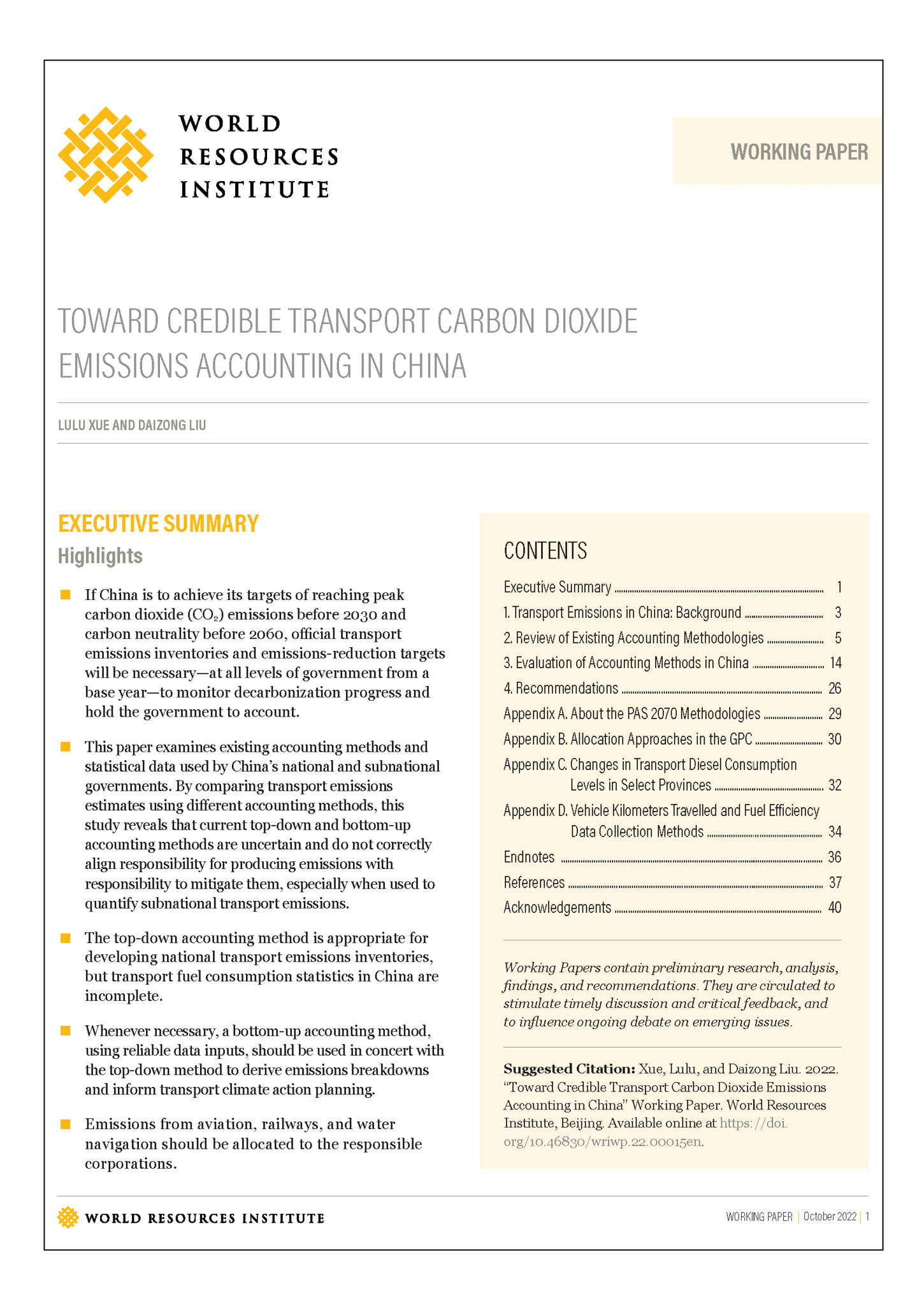
To help unify the transport emissions accounting methodologies for China’s national and subnational governments and improve statistical data collection for credible transport emissions reporting, this study reviews the accounting methods and statistical data used globally and in China through a literature review and stakeholder interviews.
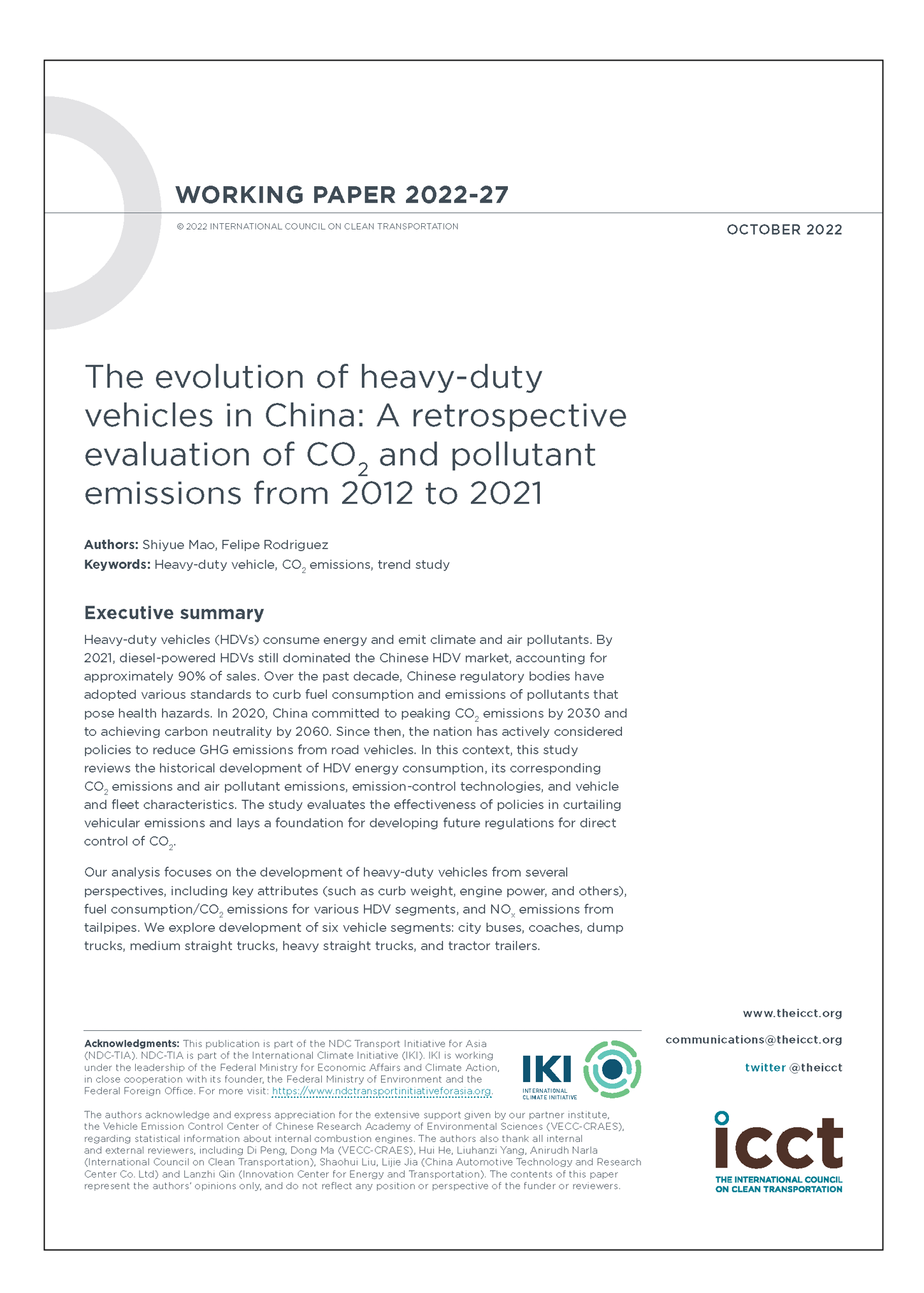
This paper evaluates the effectiveness of policies in curtailing emissions from heavy-duty vehicles in China over the 2012–2021 period and lays a foundation for developing future regulations for direct control of CO2.
This paper provides an overview of the development of Battery swapping and Battery-as-a-Service (BaaS) in China. As a complement to conventional charging, battery swapping allows the change of battery packs within minutes, while Battery-as-a-Service (BaaS) is offering innovative business models linked to the energy sector.
This research publication systematically analyzes the status quo of China’s transport development in terms of transport volume, equipment and infrastructure development, and then assesses the status quo of transport-related carbon emissions based on energy consumption.
China’s road transport sector plays an important role in meeting carbon early peaking and carbon neutrality goals. This study examines how the sector might be decarbonized by modeling five scenarios using the LEAP model.
News & Events
NDC-TIA’s China component team has established a communication and exchange platform by organizing technical exchanges and workshops on the development of zero-emission medium- and heavy-duty freight trucks.
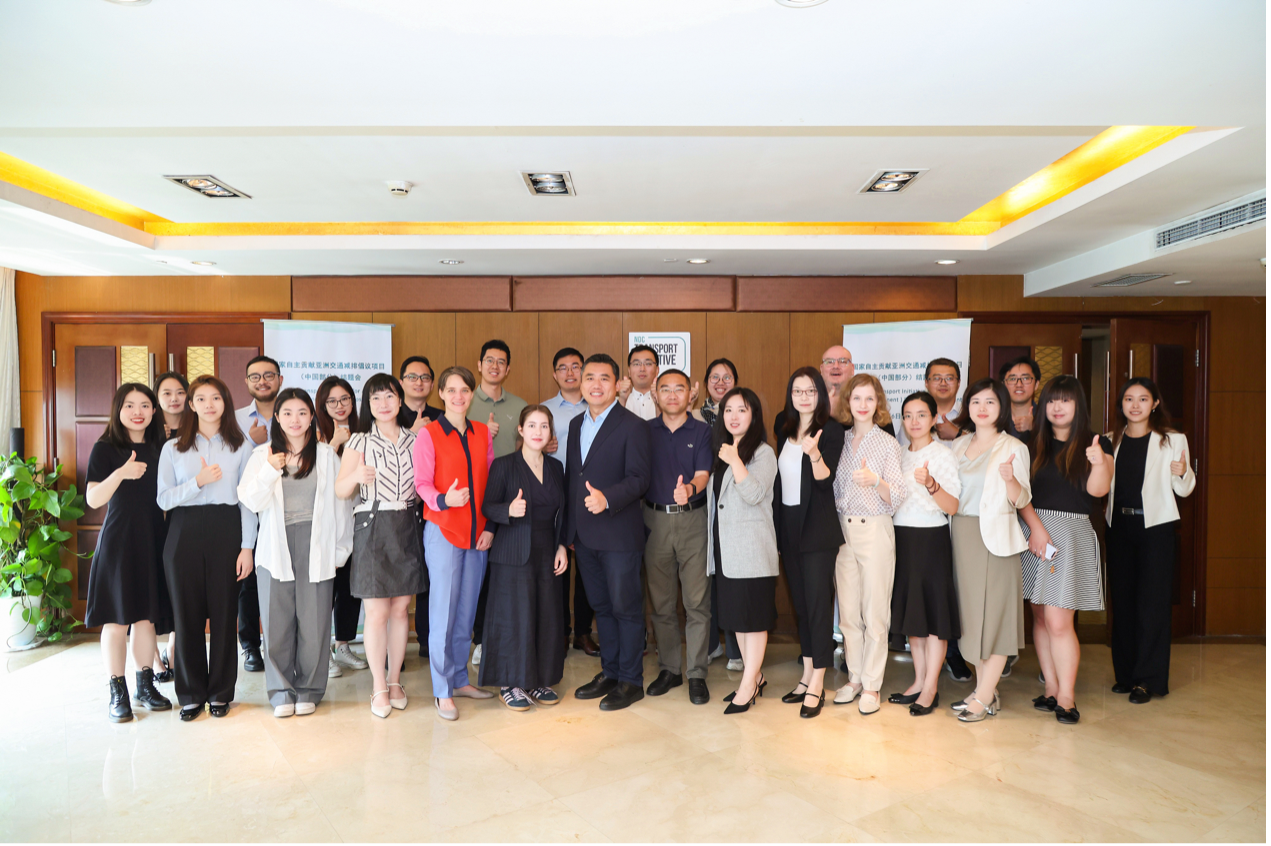
On 6 June, NDC-TIA’s China Component has successfully closed, thanks to the collaboration between the China and German governments. Working closely together, NDC-TIA partners in China was able to achieve significant progress in decarbonizing the transport sector, through extensive research, policy recommendations, and technological advancements.
Follow this page for daily updates from “Low-Carbon Prosperity in Progress: Transforming Transport in Asia", the regional conference of the NDC Transport Initiative for Asia (NDC TIA), in Bangkok, Thailand between 25 and 28 June, 2024.
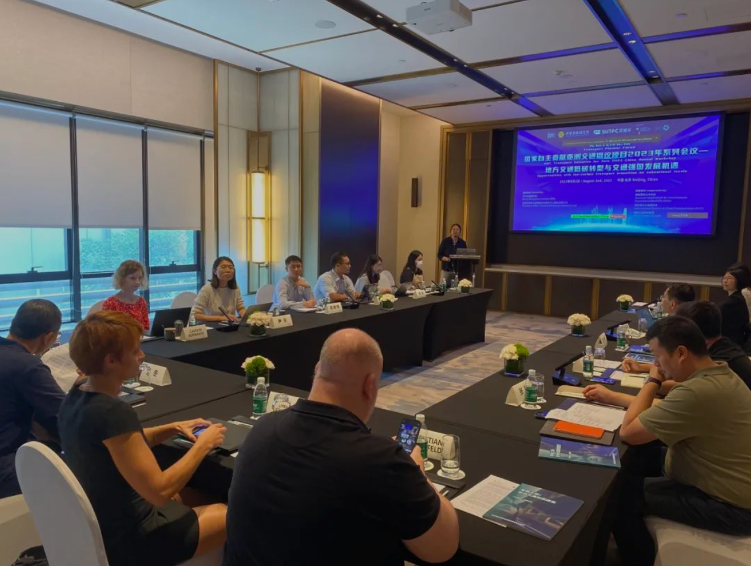
On 2 August, WRI and the Shenzhen Urban Transport Planning Center jointly organized a workshop to explore how provinces and cities could control the growth of transport carbon emissions while contributing to China's "Transport Strong Nation" vision.
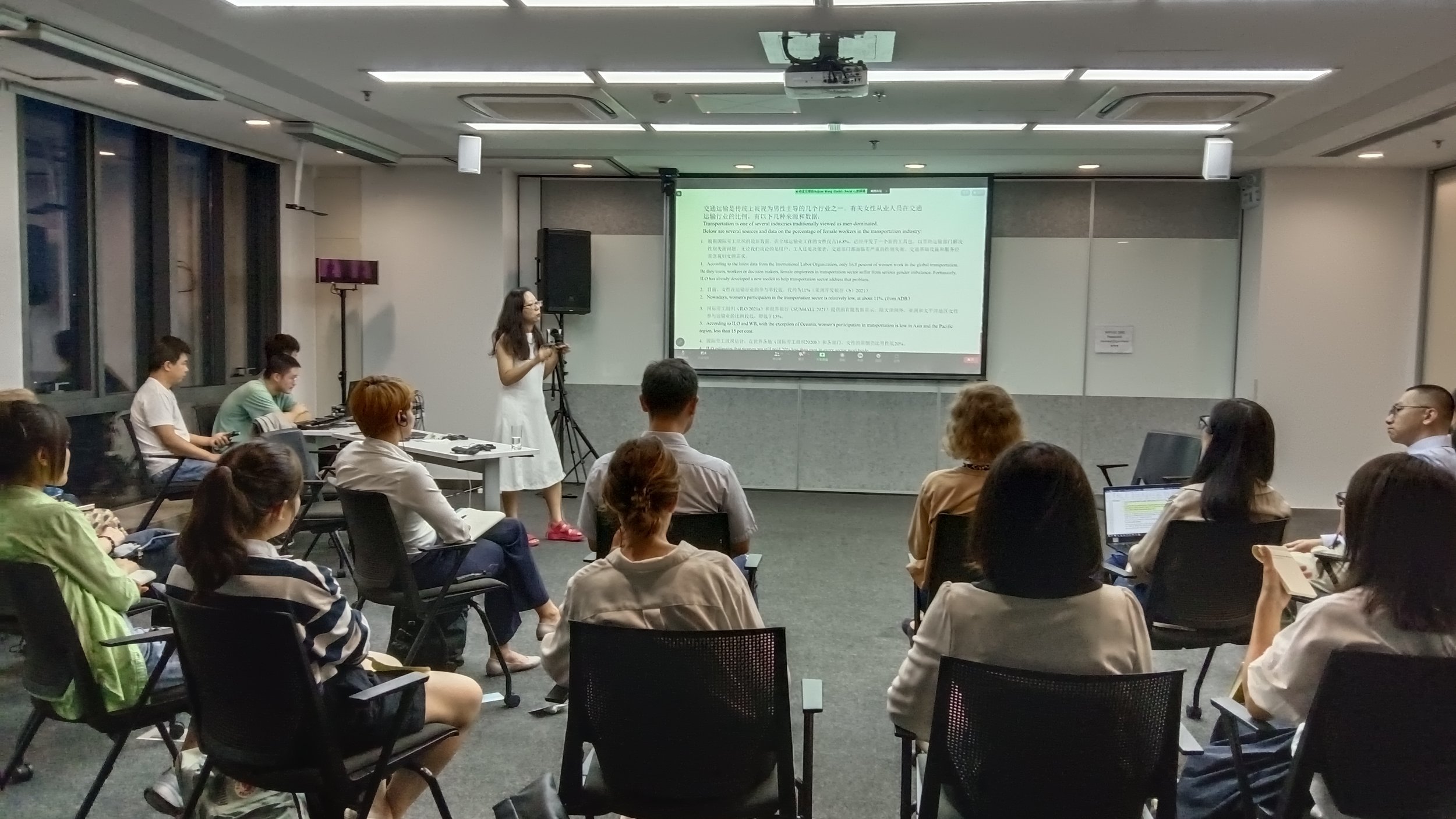
On August 1, 2023, the NDC Transport Initiative for Asia’s (NDC-TIA) China Component project invited experts and practitioners from the fields of low-carbon development and sociology for a joint discussion.
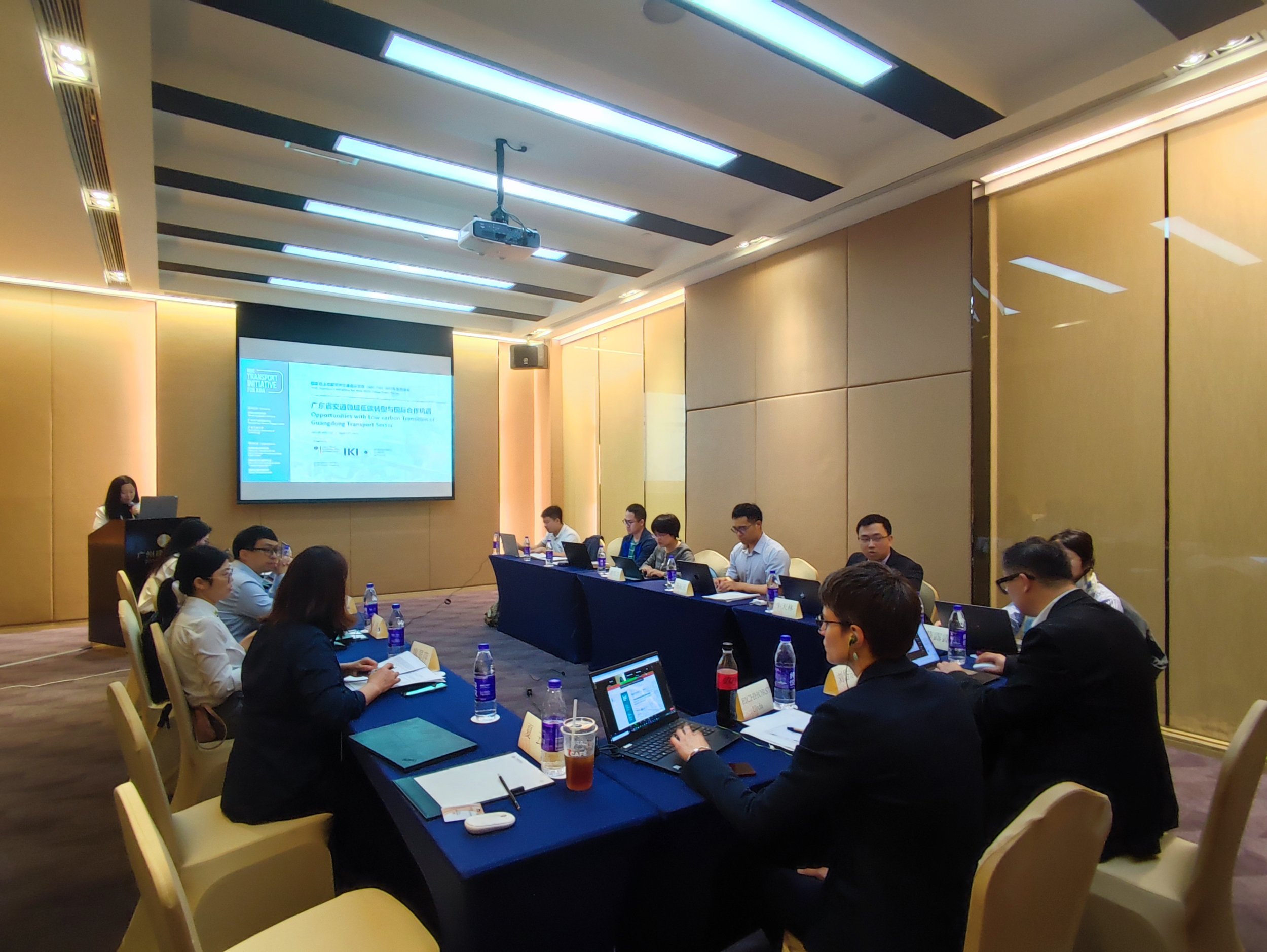
On April 11th, 2023, WRI, jointly with Guangdong climate stakeholders, organized a workshop on achieving zero-emission transport. In order to scale up the province’s current success, the workshop participants agreed that more and intensified dialogues among different stakeholders including policymakers, researchers, and the industry are needed.
Building on the interviews with NDC-TIA partners and other organizations working in China, India, and Vietnam, this final blog highlights the key commonalities and lessons on accelerating zero-emission transport for similar countries in Asia.
Based on the “Path to Zero” report, our new Myth Buster series addresses common misconceptions, to spotlight both the opportunities and challenges associated with achieving zero emissions in the sector.
Women on the Move Network is calling women working to advance the transport sector in Asia to submit applications to become a mentee or a mentor (4 years experience required) by November 11, 2022.
A workshop on Decarbonising China’s Transport Sector was held online on August 15th, 2022. This workshop explored the current challenges and opportunities for the establishment of transport emission models and facilitating peer-to-peer learning among Chinese cities/provinces.
Based on interviews with NDC-TIA partners and other organizations working in China, this blog highlights the four lessons on effective multilateral collaboration to advance China’s NDCs and raise ambition for transport decarbonization.
Staff
Ke carries out research for WRI's NDC-TIA China component work.
Shiyue is ICCT’s NDC-TIA associate researcher.
Tianlin is ICCT’s NDC-TIA researcher.
Yuntian is ICCT’s NDC-TIA associate researcher.
Yuzi is the project coordinator of WRI’s NDC-TIA China component work.
Hui is ICCT’s NDC-TIA project manager on the China component.
Kaihe supports the GIZ NDC-TIA china team for all financial issues.
Xia supports in the coordination of the consortium partners of the regional project NDC-TIA.
Shiyong carries out research for WRI’s NDC-TIA China project.
Lulu is WRI’s NDC-TIA China project manager.
Ting provides operational management and communication support to WRI’s NDC-TIA China project.